
Views: 527 Author: Site Editor Publish Time: 09-12-2025 Origin: Site
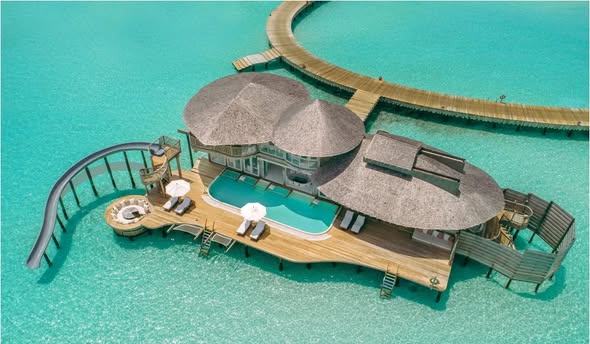
For hotel developers and contractors across South America, Asia, and Africa, selecting the right hotel reception furniture, contract hotel furniture, and FF&E hospitality solutions is a fundamental part of every new-build or renovation project. These elements shape the first impressions of guests, influence the durability and longevity of a property, and impact long-term operational efficiency.
As global projects continue to demand better quality control and more reliable supply chains, many procurement teams look for manufacturers with proven experience in meeting international hotel standards.
Contract hotel furniture refers to commercial-grade, high-durability furniture designed for heavy use in hospitality environments. Unlike residential furniture, contract pieces must withstand continuous traffic, fluctuating climate conditions, and strict fire-safety or material standards depending on each region.
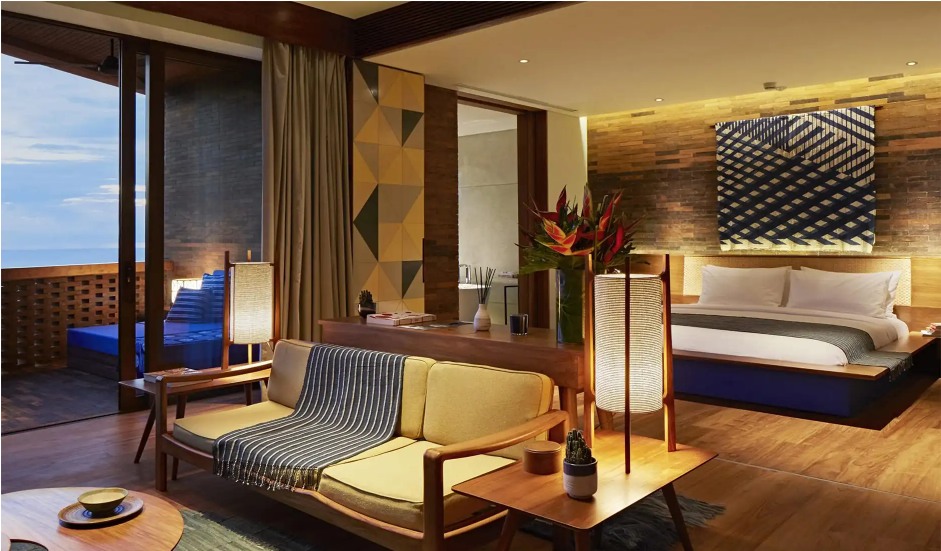
Typical categories include:
1.Lobby and reception desks
2.Public-area seating (sofas, lounge chairs, modular seating)
3.Guestroom casegoods (wardrobes, TV units, bedside tables)
4.Loose furniture and decorative elements
5.Outdoor furniture for terraces or pool areas
Projects in tropical or high-humidity climates—common across Southeast Asia, West Africa, and parts of South America—often require additional structural reinforcement, engineered timber solutions, moisture-resistant finishes, and stable joinery techniques.

The reception area is one of the most used spaces in a hotel. Furnishings in this area should follow several essential criteria:
Reception counters, lounge seating, and coffee tables must be built using commercial-grade materials such as engineered wood, metal reinforcement, and durable upholstery suitable for high-traffic use.
Hotels in humid or coastal regions need furniture that remains stable despite temperature variations. Scratch-resistant surfaces, anti-corrosion hardware, and easy-clean fabrics are preferred.
Many hospitality operators—especially international groups—outline specific FF&E requirements covering:
Fabric fire rating
Timber moisture content
Joinery structure
Hardware specifications
Sustainability standards (where applicable)
Reception furniture should align with the brand's interior identity while remaining practical for long-term operations.
FF&E (Furniture, Fixtures & Equipment) covers all movable elements required to operate a hotel. This category forms a major portion of the project budget and directly influences guest experience.
Beds and headboards
Casegoods
Seating
Outdoor furniture
Loose and decorative items
Mirrors
Lighting fixtures
Built-in items
Bathroom accessories
Appliances
Electronics
Back-of-house operational equipment
For contractors and procurement teams across emerging markets, FF&E sourcing must be efficient, reliable, and aligned with the brand's technical requirements.
Hospitality projects in developing or fast-growing markets often face challenges such as:
Extended logistics timelines
Port clearance schedules
Climate-related durability issues
Need for cost-efficient yet compliant materials
Difficulty coordinating multiple suppliers
Many procurement teams prefer working with single-source hospitality manufacturers capable of managing:
Shop drawings
Material samples
Prototyping
Mass production
Packaging optimisation
Global shipping and customs documentation
Manufacturers like Tongda Hospitality with more than 30 years of experience in bespoke hotel furniture manufacturing, provide these consolidated services to help reduce coordination complexity and maintain quality consistency across different project phases.
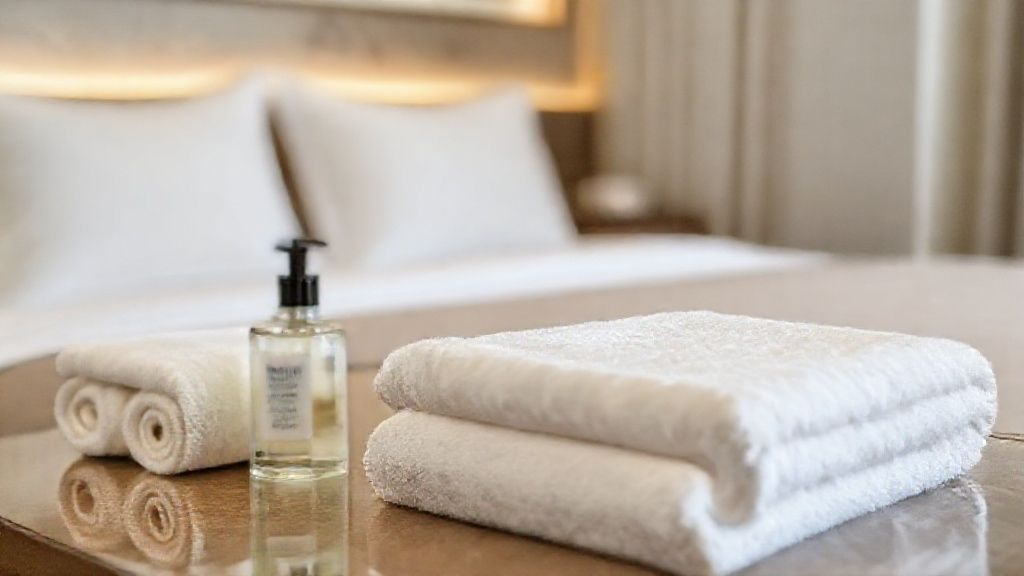
In hotel development, OS&E refers to Operating Supplies & Equipment, which includes operational items such as linens, guest amenities, small appliances, and dining utensils—essentially everything not fixed or structurally positioned.
Furniture
Fixtures
Major equipment

Operational consumables
Housekeeping supplies
Back-of-house equipment
Both categories must be planned together to ensure smooth pre-opening operations.
This structure ensures minimal deviation from brand standards while reducing the risk of delays.
A systematic FF&E procurement approach helps hotels achieve:
Cost predictability
Reduced replacement frequency
Alignment with brand guidelines
Better guest satisfaction
Long-term operational efficiency
For large-scale projects, this usually includes:
Material and Specification Review
Design and Engineering Drawings
Sample Approval
Production Phase
Quality Control
Packaging & Logistics Planning
On-Site Coordination
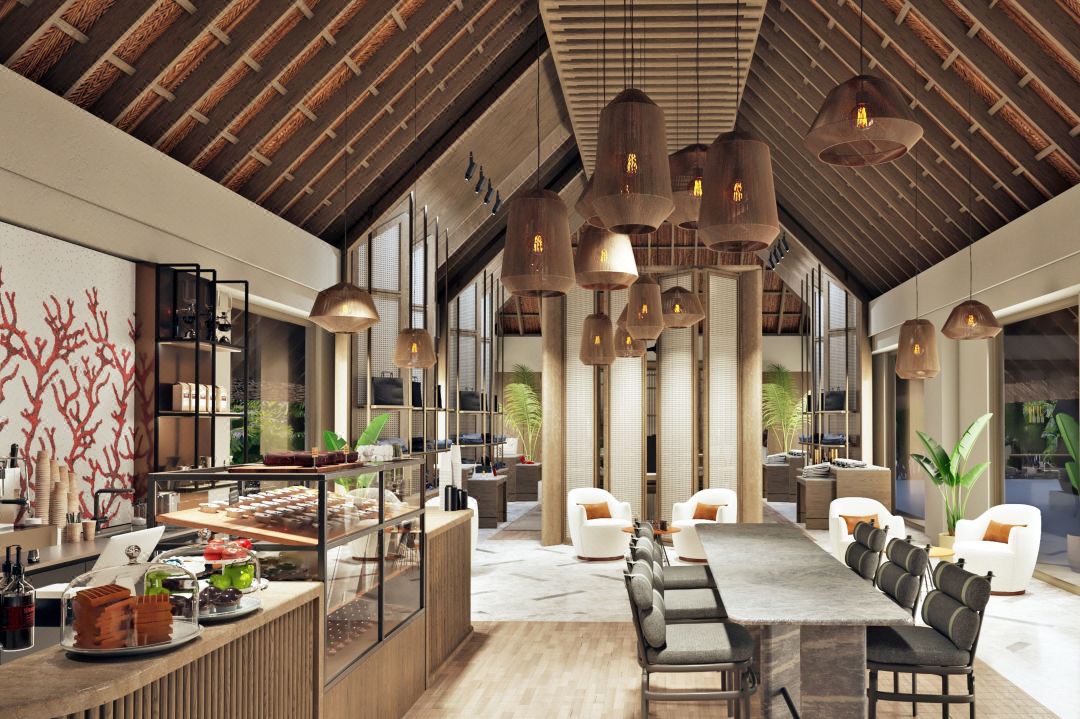
For hotel owners, contractors, and procurement teams in South America, Asia, and Africa, understanding the requirements of hotel reception furniture, contract hotel furniture, and FF&E hospitality solutions is essential for achieving long-term project value. As global operators continue to expand into these regions, the need for durable, well-designed, and professionally manufactured hospitality furniture grows.
With extensive experience serving international hotel groups and a manufacturing base in Guangdong, China, Tongda Hospitality continues to support projects seeking contract-grade furniture and FF&E solutions that meet global standards while remaining suitable for local environments.


